
A New Approach to Aging in Place
While the term ‘Aging in Place’ could have implied limitations, designers are aiming to flip that idea to mean freedom in all stages of life. The design paradigm has shifted from reactive to proactive, and to creating spaces that seem less clinical while still achieving the goals of safety and convenience.
Clearance matters, as do zones where more than one person can operate, accessible storage that’s adaptable for all ages and abilities, multiple work heights, reachability and ergonomics. If space permits, a scullery is a great secondary space where the homeowner can hide appliances to improve flow in the main area.
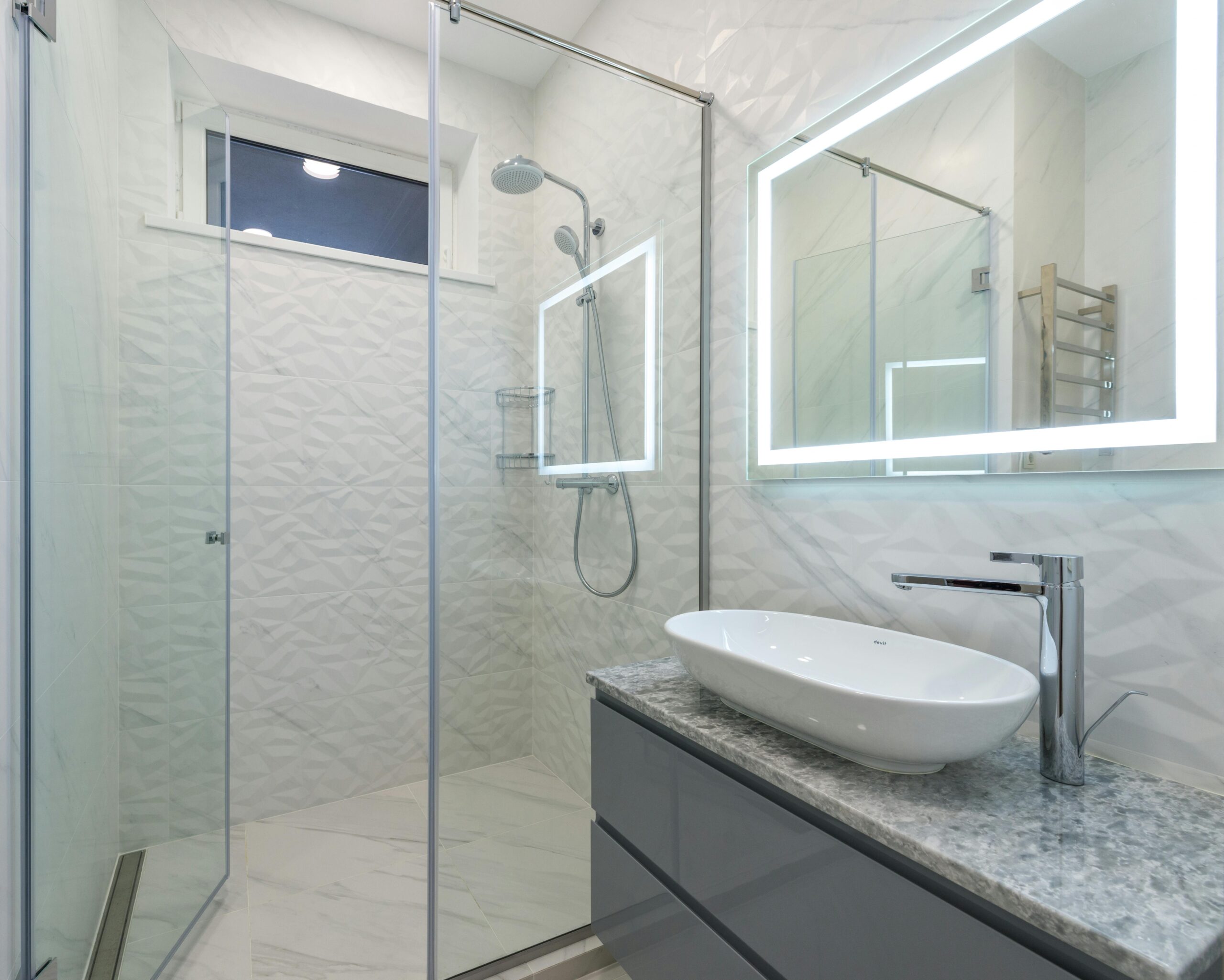
There are significant safety considerations in the bathroom, the pair concurred, like non-slip surfaces, softer edges and corners, integrated seating and a barrier-free entry in a shower.
The generational landscape is shifting, with Baby Boomers and their elders the fastest-growing population segment. This group is expected to have the largest near-term impact in 2026, and by 2050, the population over age 50 will have tripled from what it is today.
“These clients want homes that grow with them,” said Amber Clore, owner of A. Clore Interiors in Sanford, Fla. “When they see it as ‘smart planning for the future,’ it’s much more appealing to think about than ‘designing for their decline.’ We’re looking for environments that evolve with all stages of life. It’s really about living with freedom.”


